
The Dream vs. The Dollar
Unpacking the Soaring Cost of Building a Home in Canada (2009 vs. 2024)
9/19/20254 min read
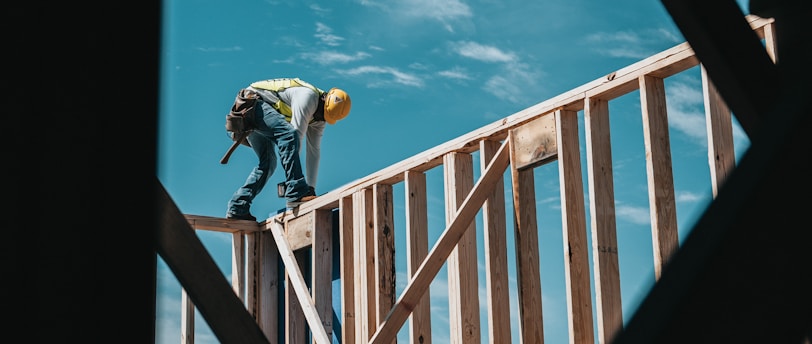

Remember hearing about house prices from "back in the day"? Or perhaps you’re currently sifting through listings, wondering how your parents or older siblings afforded their first home. The financial landscape of homeownership, especially building a new home, has shifted dramatically over the past 15 years in Canada.
Let's pull back the curtain on how much the game has changed, from the overall market to the nitty-gritty of construction costs.
A Quick Look Back: Canada's Average Home Price
First, for a broader context. If you cast your mind back to 2009, the average residential home price across Canada hovered around $320,000 - $350,000. It felt achievable, a solid stepping stone for many entering the housing market.
Fast forward to 2024, and that national average has skyrocketed to approximately $700,000 - $750,000. That's more than double in a little over a decade and a half. This isn't just about hot markets; it's a reflection of deeper economic forces at play.
The Elephant in the Room: Inflation
This staggering jump in home values runs parallel with the general pace of inflation. The cost of living – groceries, gas, services – has steadily climbed, eroding purchasing power. While the average annual inflation rate might seem modest, its cumulative effect over 15 years is profound. What $1 bought in 2009 buys significantly less today, and this reality permeates every aspect of the housing market, from the cost of wood to the hourly rate of a skilled plumber.
Beyond Buying: The Cost of Building Your Dream Home
For many, the allure of a brand-new home, designed to their specifications, is powerful. But what does it really cost to build from the ground up in 2024 compared to 2009? Let's break it down using two popular benchmarks: modular homes and custom builds.
Please note: These figures are broad estimates and do not include the cost of land, which can be the single largest variable and escalate based on location (urban vs. rural, major city vs. smaller town). They focus on the construction cost itself, though some foundational work, utility hookups, and basic site prep are often rolled into the project.
1. Modular Homes: Efficiency Meets Modernity
Modular homes, built in a factory setting and then transported to your site for assembly, have gained popularity for their efficiency, quality control, and often faster build times.
In 2009: A moderately sized modular home (say, 1,500 – 2,000 sq ft) offering decent finishes might have cost you in the range of $250,000 - $450,000 CAD for the home, transportation, foundation, and basic setup. This made them a highly attractive, more affordable alternative to traditional builds for many.
In 2024: The landscape has changed significantly. For a comparable modular home with current standards and finishes, you're now looking at approximately $450,000 - $800,000+ CAD.
Why the Jump? While the process remains efficient, the cost of raw materials (lumber, steel, insulation, drywall), factory labour, energy costs for manufacturing, and specialized transportation fees have all dramatically increased. Manufacturers have also embraced higher energy efficiency standards and more sophisticated designs, adding to the base cost.
2. Custom Builds: The Bespoke Experience
A custom-built home offers the ultimate in personalization – you dictate every detail, from the floor plan to the fixtures. This bespoke approach naturally comes with a higher price tag.
In 2009: Building a custom home (again, 1,800 – 2,500+ sq ft), depending on the complexity of design, quality of finishes, and regional labour rates, could have ranged from $500,000 - $850,000+ CAD. This would cover the full construction from groundbreaking to move-in ready.
In 2024: To embark on a similar custom build project today, expect to pay anywhere from $900,000 - $1.5 million+ CAD. Luxury, highly complex, or very large custom builds can, of course, exceed these figures substantially.
Why the Surge? Custom builds are hit hard by every factor impacting the construction industry. Material costs have exploded, skilled trades are in high demand (driving up labour rates), and local permitting, fees, and increasingly stringent building codes (especially around energy efficiency and environmental impact) have all added layers of cost and complexity. The bespoke nature also means less bulk purchasing power compared to tract homes.
What's Driving These Hefty Price Tags?
Several key factors are contributing to this monumental shift in construction costs:
Material Costs: Global supply chain disruptions, increased demand, and geopolitical events have sent prices for essential building materials like lumber, steel, concrete, and insulation soaring.
Labour Shortages: A shortage of skilled tradespeople across Canada means higher wages and often longer wait times, directly impacting project timelines and budgets.
Regulatory & Permit Costs: Municipal and provincial regulations have become more stringent, especially concerning energy efficiency, environmental impact, and safety. Obtaining permits is often more complex and expensive.
Energy Efficiency Standards: While beneficial in the long run, building to higher R-values, incorporating better windows, and installing more efficient HVAC systems adds to the upfront construction cost.
Technology & Innovation: Modern homes often integrate smart home technologies, advanced insulation, and more complex mechanical systems, which are more expensive to install.
What Does This Mean for You?
If you're dreaming of building your own home, understanding these shifts is crucial.
Budgeting is Paramount: Be realistic from the outset. Get detailed quotes and factor in a significant contingency (15-20% is recommended) for unforeseen costs.
Research Alternatives: Modular homes, once seen as a niche, are now a mainstream, viable, and often more predictable option for managing costs and timelines.
Prioritize: Custom builds offer endless possibilities, but every upgrade and extra feature adds to the bottom line. Decide what's truly essential versus what can be added later.
Location, Location, Location: The cost of land will profoundly impact your total project budget. Consider areas slightly outside major urban centres if land costs are a major barrier.
While the numbers might seem daunting, understanding the landscape is the first step towards building your future, literally. The dream of a custom-built or modular home is still alive, but it requires diligent planning, realistic expectations, and savvy decision-making in today's Canadian market.